The Unveiling of Truth: Recognition Beyond Belief
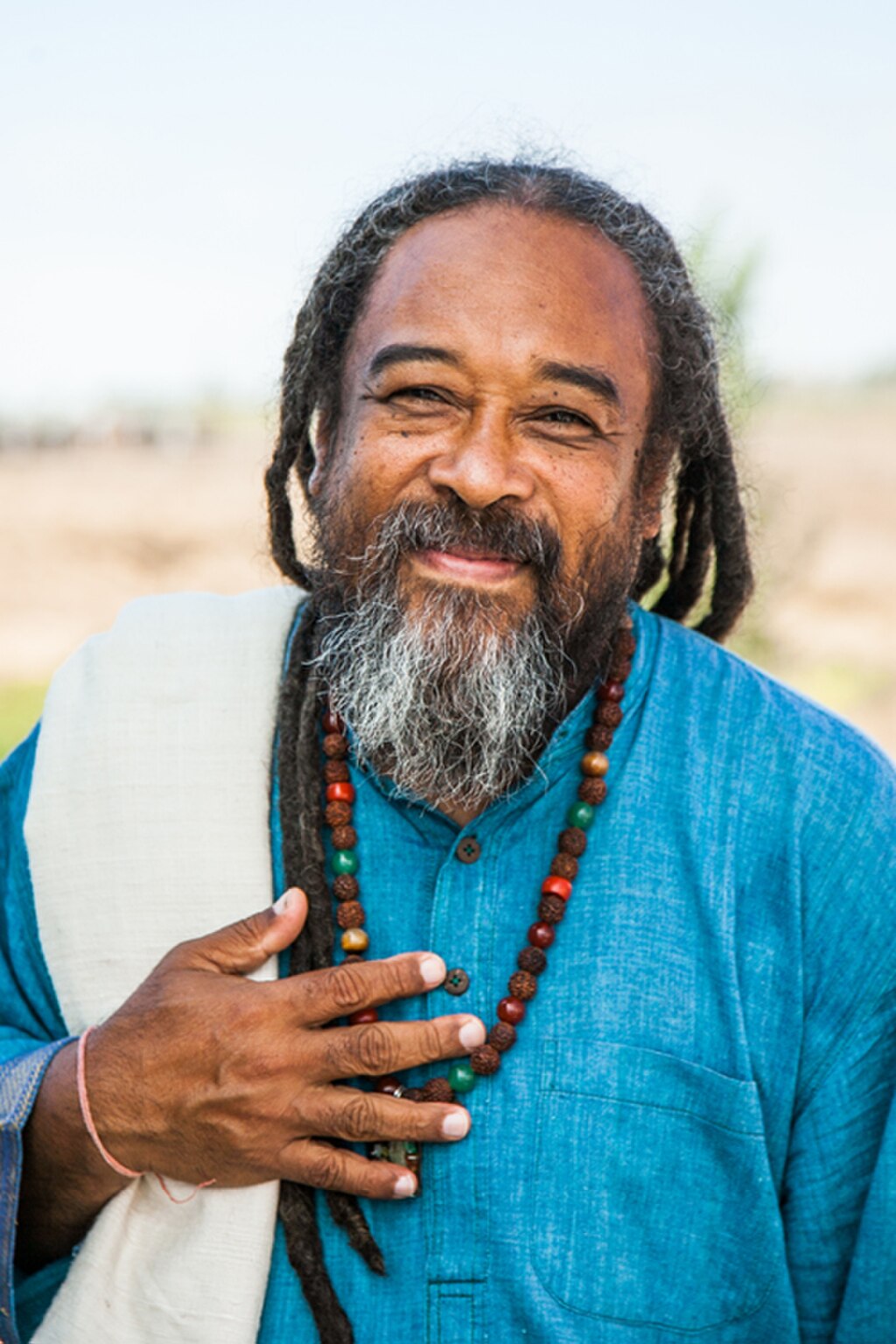
Mooji's assertion that "Truth doesn't need belief. It only needs recognition" invites us to reconsider our relationship with truth itself. In a world often dominated by subjective interpretations and beliefs, this statement serves as a profound reminder that truth exists independently of our acceptance or understanding. It challenges us to look beyond the layers of belief systems that can obscure our perception of reality, urging us instead to engage with truth as an immediate experience rather than a distant concept.
This perspective is not merely philosophical; it has practical implications for how we navigate our lives. By emphasizing recognition over belief, Mooji encourages us to cultivate a direct awareness of our experiences, fostering a deeper connection to the essence of our being. This shift from belief to recognition can liberate us from the confines of dogma and open us to a more authentic engagement with ourselves and the world around us. In this light, the quote becomes a call to awaken to the truth that is already present, waiting for our acknowledgment.
The image / the metaphor
The imagery in Mooji's quote evokes a sense of clarity and immediacy. The verb "recognition" suggests an active engagement, a conscious unveiling of what has always been there, rather than a passive acceptance of something we are told to believe. This distinction is crucial; belief often requires an external validation or a leap of faith, while recognition implies an intrinsic understanding that arises from within. It is as if truth stands before us, veiled by our preconceived notions, and all we need to do is lift the veil to see it clearly.
Diving deeper into this metaphor, we can envision truth as a radiant light that exists independently of our perceptions. When we recognize this light, we are not creating it; we are simply acknowledging its presence. This act of recognition can be likened to awakening from a dream, where the dreamer suddenly realizes the dream is not reality. In this awakening, we find ourselves in a state of clarity, where truth is not a distant goal but an immediate experience, accessible to anyone willing to look beyond the shadows of belief.
In the speaker's tradition
Mooji's teachings are rooted in the non-dual tradition, which emphasizes the oneness of existence and the illusion of separation. Concepts such as *sunyata* (emptiness) and *fana* (annihilation of the self) resonate deeply with the idea that truth transcends belief. In this context, recognition becomes a pathway to understanding the interconnectedness of all things, allowing us to see beyond the dualistic nature of our thoughts and beliefs. The non-dual perspective invites us to experience reality as it is, free from the filters of our conditioned minds.
Living the teaching
Consider a modern scenario where this teaching can be applied: a person grappling with self-doubt and insecurity. Often, we cling to beliefs about ourselves that are shaped by external opinions or past experiences. By shifting focus from these beliefs to a recognition of our inherent worth, we can begin to dismantle the barriers that prevent us from experiencing our true selves. This recognition allows us to embrace our authenticity, fostering a sense of peace and acceptance that transcends the need for validation from others.
In relationships, the principle of recognition can also play a transformative role. Imagine a conflict arising from misunderstandings or differing beliefs. Instead of trying to convince the other person of your viewpoint, you might choose to recognize the shared humanity that exists beneath the surface. This recognition can lead to deeper empathy and connection, allowing both parties to move beyond the limitations of their beliefs and engage in a more profound dialogue. In this way, Mooji's teaching becomes a practical tool for fostering understanding and compassion in our daily interactions.
A reflection
As we contemplate Mooji's assertion that "Truth doesn't need belief. It only needs recognition," we are invited to explore our own relationship with truth. What beliefs have we held that may have obscured our ability to recognize the truth of our experiences? In this moment of reflection, consider the ways in which you might shift from belief to recognition in your own life. How might this shift transform your understanding of yourself and your relationships with others?



Join the BrightStar Community
Stay connected with daily inspiration, event announcements, and community wisdom