The Chains of Desire: Understanding Freedom Beyond Poverty
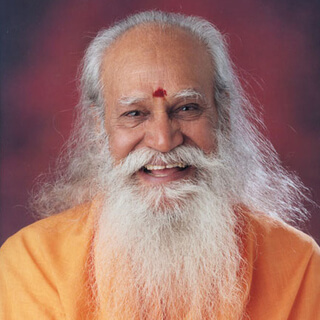
Swami Satchidananda's assertion that "You can be poor and be enslaved by craving" invites us to explore the intricate relationship between material poverty and the deeper, often more insidious, poverty of the spirit. In this statement, he highlights that true freedom is not merely the absence of financial resources but rather the liberation from the incessant desires that bind us. This distinction is crucial, as it challenges our conventional understanding of wealth and happiness, urging us to look beyond the surface of our circumstances.
In a world where consumerism often equates worth with possessions, Satchidananda's words serve as a poignant reminder that craving can ensnare anyone, regardless of their material wealth. This craving, a relentless pursuit of satisfaction through external means, can lead to a form of spiritual enslavement that diminishes our capacity for joy and contentment. By examining this quote, we delve into the nature of desire and its role in shaping our experiences, ultimately revealing the path to true liberation.
The image / the metaphor
The imagery in Satchidananda's quote evokes a powerful sense of bondage. The term "enslaved" conjures visions of chains and confinement, suggesting that craving is not merely a desire but a force that can dominate and control our lives. The juxtaposition of poverty with craving emphasizes that the absence of material wealth does not equate to freedom; rather, it is the internal landscape of our desires that can imprison us. This metaphorical enslavement speaks to the heart of human experience, where the struggle against desire can feel as real and confining as physical chains.
Diving deeper into the metaphor, we recognize that craving operates on multiple levels. It is not just the longing for material possessions but also the yearning for approval, love, and validation. This broader interpretation of craving reveals its pervasive nature, infiltrating our thoughts and actions, often leading us to make choices that further entrench us in dissatisfaction. Thus, Satchidananda's quote serves as a clarion call to examine the roots of our desires and the ways they shape our lives, urging us to seek a more profound sense of freedom that transcends material conditions.
In the speaker's tradition
Swami Satchidananda's teachings are deeply rooted in the philosophy of integral yoga, which emphasizes the interconnectedness of body, mind, and spirit. Within this framework, the concepts of dharma and kenosis become particularly relevant. Dharma, or one's rightful duty, encourages individuals to align their actions with their higher purpose, while kenosis, the act of self-emptying, invites us to release our attachments and desires. Together, these principles illuminate the path toward liberation from the cravings that bind us, suggesting that true fulfillment arises from living in accordance with our higher selves rather than succumbing to the whims of desire.
A relevant text that echoes Satchidananda's sentiments is the Bhagavad Gita, where Lord Krishna speaks of the importance of selfless action and the dangers of attachment. In Chapter 2, Verse 47, Krishna advises Arjuna to focus on his duty without attachment to the fruits of his actions. This teaching aligns with Satchidananda's assertion, reinforcing the idea that liberation comes not from external circumstances but from an inner state of being that transcends craving and attachment.
Living the teaching
Consider a modern scenario in which an individual feels trapped in a cycle of consumerism, constantly seeking the latest gadgets or fashion trends to fill an emotional void. Despite having a stable income, this person finds themselves perpetually dissatisfied, believing that happiness lies just beyond their reach. In this context, Satchidananda's teaching resonates profoundly, as it highlights the futility of seeking fulfillment through external means. By recognizing the enslavement of craving, this individual can begin to explore alternative paths to contentment, such as mindfulness practices that cultivate gratitude and presence.
In relationships, the concept of craving can manifest as an insatiable need for validation from partners or friends. This desire for affirmation can lead to feelings of inadequacy and resentment, ultimately straining connections. By applying Satchidananda's wisdom, one might learn to appreciate relationships for their intrinsic value rather than as a means to fulfill personal desires. This shift in perspective fosters deeper connections rooted in authenticity and mutual respect, allowing both individuals to experience a sense of freedom and joy that transcends the limitations of craving.
A reflection
As we contemplate Swami Satchidananda's profound insight, we are invited to reflect on our own lives and the cravings that may bind us. What desires do we cling to that prevent us from experiencing true freedom? In this moment of introspection, consider how releasing these attachments might open the door to a more authentic and fulfilling existence. By engaging with this question, we can begin to navigate the complexities of our desires and move toward a state of liberation that transcends the confines of both poverty and craving.



Join the BrightStar Community
Stay connected with daily inspiration, event announcements, and community wisdom