The Art of Simplicity: A Path to Inner Clarity
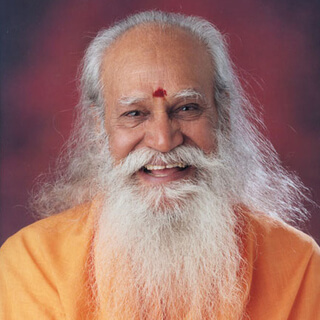
Swami Satchidananda's succinct exhortation to "live simply" invites us to peel back the layers of complexity that often shroud our lives. In a world inundated with distractions, obligations, and material pursuits, this call to simplicity becomes not merely a lifestyle choice but a profound spiritual imperative. It challenges us to reconsider what is essential and to cultivate a life that resonates with clarity and purpose. The stakes are high; in our pursuit of more, we often lose sight of what truly matters, leading to a disconnection from our inner selves and the world around us.
To live simply is to embrace a way of being that prioritizes the essential over the superfluous. It is an invitation to declutter not just our physical spaces but also our minds and hearts. This simplicity is not about deprivation; rather, it is a celebration of the richness found in the ordinary. By stripping away the excess, we create space for deeper connections, both with ourselves and with others. In this light, Satchidananda's teaching becomes a guiding star, illuminating a path toward a more authentic existence.
The image / the metaphor
The phrase "live simply" conjures images of a life unencumbered by the weight of unnecessary possessions and obligations. The verb "live" suggests an active engagement with our existence, while "simply" evokes a sense of ease and clarity. This juxtaposition invites us to consider how we can navigate our daily lives with intention, shedding the layers of complexity that often obscure our true selves. The felt sense of this quote is one of liberation; it beckons us to step away from the chaos and embrace a more tranquil, focused way of being.
In the speaker's tradition
Swami Satchidananda's teachings are deeply rooted in the philosophy of integral yoga, which emphasizes the harmonious integration of body, mind, and spirit. Within this tradition, the concept of dharma—one's duty or path—plays a crucial role in understanding how to live simply. By aligning our actions with our true purpose, we can discern what is essential and what is extraneous. This alignment fosters a sense of inner peace and clarity, allowing us to navigate the complexities of life with grace and ease.
Moreover, the notion of kenosis, or self-emptying, resonates with Satchidananda's call to simplicity. By letting go of our attachments and desires, we create space for deeper spiritual insights and connections. In the Bhagavad Gita, for instance, the idea of surrendering to a higher purpose is echoed throughout the text, encouraging us to relinquish our ego-driven pursuits in favor of a more profound engagement with the divine. This surrender is not a loss but a gain, as it opens the door to a life rich in meaning and fulfillment.
Living the teaching
Consider a modern scenario where the teaching to "live simply" finds its application: the overwhelming nature of digital life. Many of us are inundated with notifications, emails, and social media updates that demand our attention, often leading to a sense of disconnection and anxiety. By consciously choosing to simplify our digital interactions—perhaps by setting boundaries around screen time or curating our online environments—we can reclaim our focus and foster deeper connections with those around us. This act of simplification allows us to engage more fully in the present moment, enhancing our overall well-being.
In the context of relationships, living simply can manifest as a commitment to authenticity and presence. In moments of conflict or misunderstanding, we might find ourselves caught in a web of assumptions and expectations. By choosing to communicate openly and honestly, we strip away the layers of complexity that often cloud our interactions. This simplicity in communication fosters deeper understanding and connection, allowing us to navigate challenges with grace and compassion. In both personal and communal contexts, the practice of simplicity becomes a powerful tool for fostering harmony and connection.
A reflection
As we contemplate Swami Satchidananda's call to "live simply," we are invited to reflect on our own lives and the complexities we may have accumulated. What aspects of our lives could benefit from simplification? In what ways can we create space for deeper connections and a more authentic existence? These questions serve as a gentle reminder that simplicity is not merely a goal but a continuous practice, one that invites us to engage with life more fully and meaningfully.


Join the BrightStar Community
Stay connected with daily inspiration, event announcements, and community wisdom