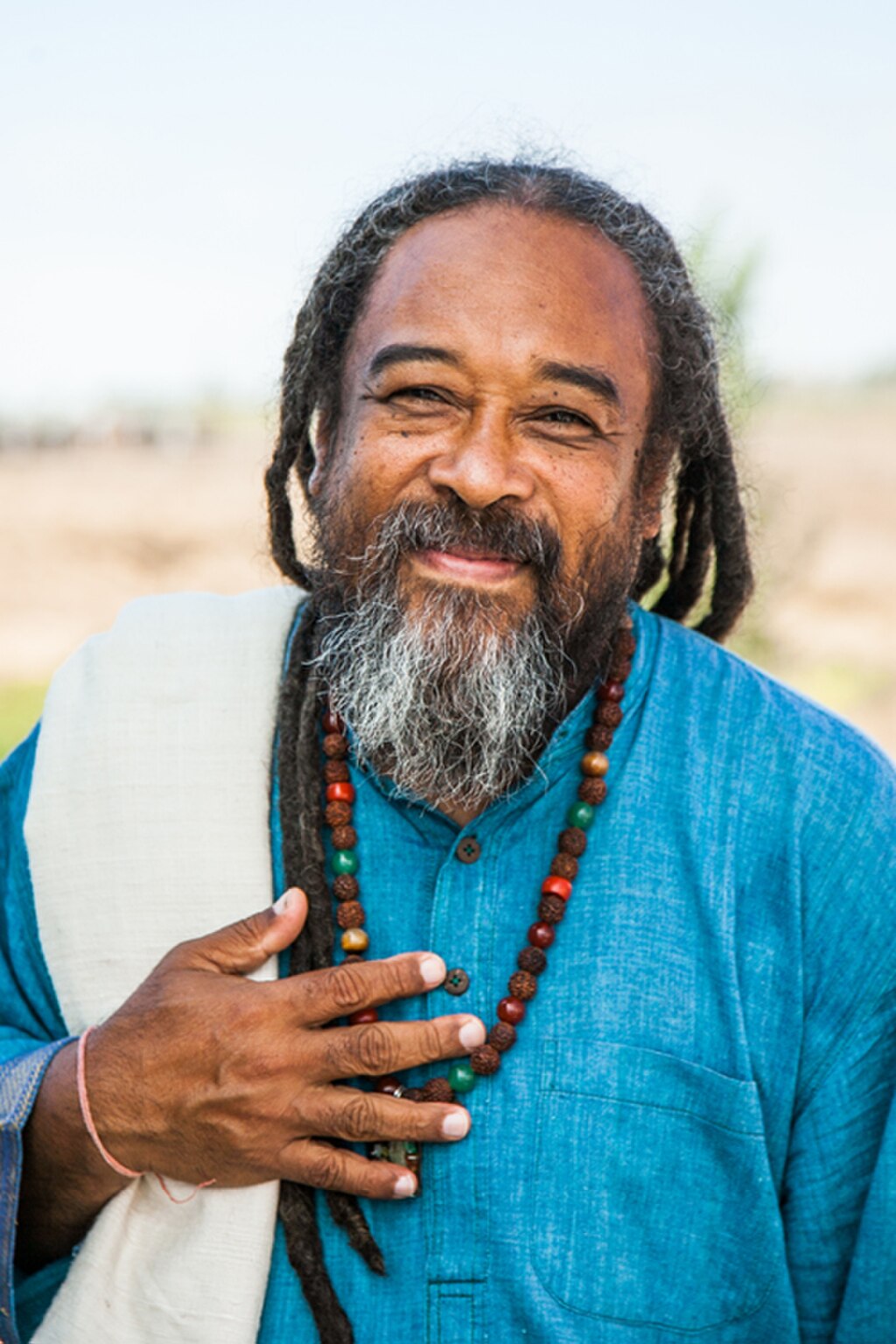
The Ocean Within: Embracing Our True Identity
Mooji's profound statement, "You are not the wave. You are the ocean," invites us to explore the depths of our identity beyond the transient experiences of life. In this metaphor, the wave represents the individual self, with its fluctuations and temporary nature, while the ocean symbolizes the vast, unchanging essence of our being. Understanding this distinction is crucial, as it encourages us to transcend the limitations of our personal narratives and connect with a more expansive sense of self. This realization holds the potential to transform our lives, offering a pathway to inner peace and unity.
At its core, this quote challenges us to reconsider how we define ourselves. In a world that often emphasizes individuality and separation, Mooji's words remind us that our true nature is not confined to the surface-level experiences that come and go like waves. Instead, we are part of a greater whole, an ocean of consciousness that encompasses all existence. This understanding can lead to a profound shift in perspective, allowing us to navigate life's challenges with grace and resilience, rooted in the awareness of our interconnectedness.
The image / the metaphor
The imagery of waves and the ocean evokes a deep sense of movement and stillness. Waves rise and fall, driven by external forces, yet they are ultimately expressions of the ocean itself. The verbs chosen—"are not" and "are"—create a stark contrast between the fleeting nature of the wave and the enduring essence of the ocean. This felt sense of duality invites us to reflect on our own lives: how often do we identify with the transient events and emotions that shape our daily experiences, losing sight of the deeper, unchanging reality that lies beneath?
Diving deeper into this metaphor, we can see that the wave, while beautiful and dynamic, is also subject to the whims of nature. It can be turbulent or calm, high or low, yet it is never separate from the ocean. This speaks to the human experience of joy and sorrow, success and failure. By recognizing ourselves as the ocean, we can cultivate a sense of stability and peace that is not contingent upon the ever-changing circumstances of life. This perspective invites us to embrace our true nature, allowing us to respond to life's challenges with a sense of equanimity.
In the speaker's tradition
Mooji's teachings are rooted in the non-dual tradition, which emphasizes the oneness of all existence. Concepts such as *advaita* (non-duality) and *sunyata* (emptiness) resonate deeply with the message of this quote. In this context, the wave represents the illusion of separateness, while the ocean embodies the ultimate reality of unity. The practice of *kenosis*, or self-emptying, aligns with this teaching, as it encourages us to let go of our attachments to the ego and the transient aspects of our identity, allowing us to experience the fullness of our true nature.
In the *Upanishads*, ancient texts that explore the nature of reality, we find similar sentiments expressed. The idea that the individual self (Atman) is ultimately one with the universal consciousness (Brahman) echoes Mooji's assertion. This profound realization invites seekers to transcend the limitations of their personal identities and recognize their inherent connection to the vast ocean of existence. Such teachings remind us that the journey toward self-discovery is not merely an intellectual exercise but a transformative process that unfolds through direct experience.
Living the teaching
Consider a modern scenario where this teaching can be applied: a person facing a challenging situation at work, feeling overwhelmed by stress and self-doubt. In this moment, they may identify solely with the wave of their emotions, perceiving themselves as inadequate or unsuccessful. However, by remembering that they are the ocean, they can step back and observe their thoughts and feelings without becoming entangled in them. This shift in perspective allows them to approach the situation with clarity and calmness, recognizing that their worth is not defined by external circumstances.
Another application of this teaching can be found in relationships. When conflicts arise, it is easy to become caught up in the waves of anger or frustration, believing that these emotions define the relationship. By embracing the understanding that both individuals are part of the same ocean, they can cultivate compassion and empathy, recognizing that their true essence is rooted in love and connection. This awareness fosters healthier communication and deeper understanding, allowing the relationship to flourish despite the inevitable waves of life.
A reflection
As we contemplate Mooji's profound words, we are invited to explore the depths of our own identity. How often do we find ourselves identifying solely with the waves of our experiences, forgetting the vast ocean of consciousness that lies within? In moments of challenge or uncertainty, how can we remind ourselves of our true nature and embrace the stillness that exists beneath the surface? This contemplation invites us to reflect on the ways we can embody the ocean in our daily lives, fostering a deeper sense of connection and peace.



Join the BrightStar Community
Stay connected with daily inspiration, event announcements, and community wisdom