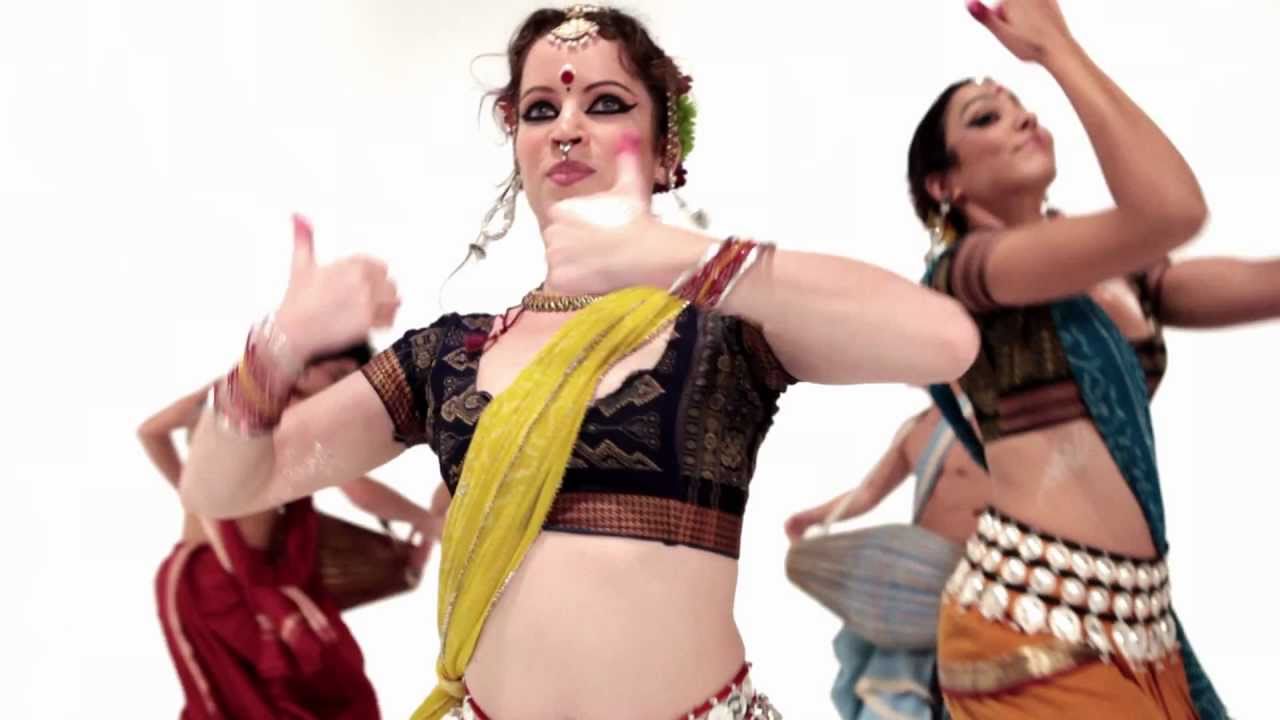
This music video presents a rhythmically-driven composition that uses layered, accessible language to invite full-body engagement with beat and movement. Rather than requiring formal dance training, the piece teaches percussive and somatic awareness through direct commands and imagery—legs, arms, spine, and voice all become instruments. The underlying philosophy centers on discovering what the body already knows about rhythm, and on collective movement as a path to healing and embodied joy.
How Does the Body Relate to Rhythm?
The video opens with a direct invitation: "feet fingers tapping toes move your bones where the rhythm goes." This frames rhythm not as an external pattern to follow, but as an inherent intelligence resident in the body. Rather than imposing movement from outside, the piece suggests that the body possesses its own knowledge of how to move, and that rhythm is a language the body already speaks (39s). The repeated instruction to "discover what your body knows" appears throughout, treating the body as a teacher rather than an instrument to be corrected or disciplined.
This approach aligns with somatic awareness practices, which emphasize proprioception—the body's ability to sense itself in space. By naming specific body parts—toes, bones, fingers, chin—the composition directs attention downward into physical sensation rather than upward into intellectual understanding. Movement becomes a form of discovery rather than performance.
What Is the Role of Percussion and Voice in This Practice?
The title and repeated refrain center on "slap"—both the percussive sound and the action. "Slap goes the drum sturdy unavoidable stride of faith" (51s, 104s) establishes the drum hit as inevitable, grounded, and trustworthy. Percussion in this context is not ornamental; it is foundational. The language moves the listener through different percussive possibilities: "cross up round down dig wiggle again" (59s, 120s), offering a vocabulary of movement that mirrors drum techniques.
Voice functions as both instrument and guide. Phrases like "ring your bell, open up your voice and yell" (143s-146s) give permission for vocal expression, treating the throat and mouth as percussion sites. The instruction "put your head in your heart, put your heart in your funk" (211s-213s) suggests that vocal and physical rhythm originate from an integrated emotional center rather than from technical precision.
What Does It Mean to Dance Without Training?
A recurring theme is accessibility and the removal of barriers to participation. The piece states directly: "you don't have to be an I just jump drive move your feet and move your hand" (69s-71s). This fragment, while transcriptionally unclear, appears to say "you don't have to be an expert"—removing the requirement for formal training. Later, "swing in your time in your way way way way" (151s-154s) emphasizes that timing and style are personal, not standardized.
The democratic language extends to identity: "take yourself and take your friend black red white and yellow" (123s-125s) names multiple racial and ethnic identities as equally welcome. The instruction "come on everybody and move your junk" (213s-215s), where "junk" is slang for the body itself, uses colloquial, even defiant language to strip away reverence or hierarchy. Movement is for all bodies, regardless of shape, ability, or background.
How Does Collective Movement Relate to Healing?
The video includes an explicit healing intention: "cross the earth, floor floor through the body do we we heal us" (88s-90s). Here, movement through the body becomes a means of collective healing. The word "us" is key—healing is framed as a shared, communal practice rather than an individual achievement.
This appears aligned with both somatic and contemplative approaches, which understand trauma and rigidity as patterns held in the nervous system and musculature. By encouraging free, repetitive, rhythmic movement—particularly of the spine, pelvis, and limbs—the composition may facilitate the release of stored tension. The phrase "shake and wake your bones and skin" (205s) emphasizes vitality and renewed sensation as the outcome of such practice.
What Is the Paradox of "No Mistake and No Sin"?
Early in the piece, the lyric states: "there's no mistake and there is no sin, let the drum to make your chin grin" (62s-64s). This is a radical statement in the context of embodied practice. Most dance, yoga, and fitness instruction includes correction, comparison, and evaluation. Here, the composer removes judgment entirely. Any movement is valid; the only measure is whether the chin grins—whether joy and pleasure are present.
This echoes nondual and Tantra-influenced philosophy, which holds that all expressions of the body are sacred. It also speaks to trauma-informed somatic practice, which understands correction and self-judgment as obstacles to genuine healing and presence.
How Do Metaphor and Direct Instruction Work Together?
The piece blends literal movement commands with poetic imagery. "Feel the motion of the moon" (132s-135s) and "lantern lantern lantern" (97s-101s) introduce imagistic, associative language. These may serve multiple functions: they invite imaginative engagement beyond the literal body, they slow the rational mind, and they create atmosphere. Yet they never replace the direct instruction; they complement it.
The instruction "put your head in your heart put your heart in your funk" (211s-213s) uses metaphor to describe integration. The "head" (thought, analysis) belongs inside the "heart" (feeling, center), and both together create "funk"—groove, aliveness, coherence. This is not mystical language; it is a precise description of what happens somatically when emotional and cognitive centers align with rhythm.
What Is the Significance of Repetition and Incantation?
Phrases repeat across the video: "slap goes the drum sturdy unavoidable stride of faith" returns multiple times. "Cross up round down dig wiggle again" becomes a refrain. This repetition is not filler; it is a core teaching method. In contemplative and dance traditions, repetition deepens embodiment. The nervous system learns through repetition; rhythm ingrains itself through recurrence.
The incantatory quality—the chant-like, rhythmic delivery of text—mirrors kirtan and mantra traditions, where sound itself is considered transformative. The repeated word "lantern" (97s-101s) may be particularly significant, suggesting illumination, guidance, or the light within the body.
Where to Go From Here
For those interested in embodied rhythm practice, this video offers both immediate invitation and conceptual framework. The immediate application is clear: put on the music, move your body, and notice what happens without judgment. The longer arc involves understanding that the body is not a problem to be fixed but a source of wisdom and healing. Practitioners of somatic experiencing, trauma-informed yoga, authentic movement, or contact improvisation will recognize the philosophy here. For those new to such practices, the video's accessibility and non-hierarchical language make it an entry point: no training required, no mistakes possible, only presence and pleasure available.